
PRODUCTS
Several factors influence the environmental, safety, quality and service-life aspects related to products, from design and manufacturing to use, maintenance and end-of-life. For this reason, we consider product-related aspects at different stages of the product life cycle. Our focus includes intended manner of use, material choices, service life, maintainability, availability of spare parts and recyclability.
A good product is safe, functional and fit for its intended purpose. It is designed to withstand appropriate use, and its use and end-of-life are considered from the customer's perspective. In product development and selection planning, we assess opportunities to reduce adverse impacts and improve product usability, service life and performance throughout the product life cycle.
SELECTION DEVELOPMENT
We develop our product selection by taking into account environmental, safety and quality requirements related to products. We look for products where opportunities to reduce adverse impacts have been considered in areas such as design, material choices, manufacturing, use or end-of-life. Depending on the product category, these may relate, for example, to the material usage, product durability, repairability, spare parts, packaging, recyclability or new product and service solutions.
Some of our products may also carry third-party environmental, safety or other product labels and certifications.
SELECTION DEVELOPMENT
We develop our product selection by taking into account environmental, safety and quality requirements related to products. We look for products where opportunities to reduce adverse impacts have been considered in areas such as design, material choices, manufacturing, use or end-of-life. Depending on the product category, these may relate, for example, to the material usage, product durability, repairability, spare parts, packaging, recyclability or new product and service solutions.
Some of our products may also carry third-party environmental, safety or other product labels and certifications.
PRODUCT USE AND CARE
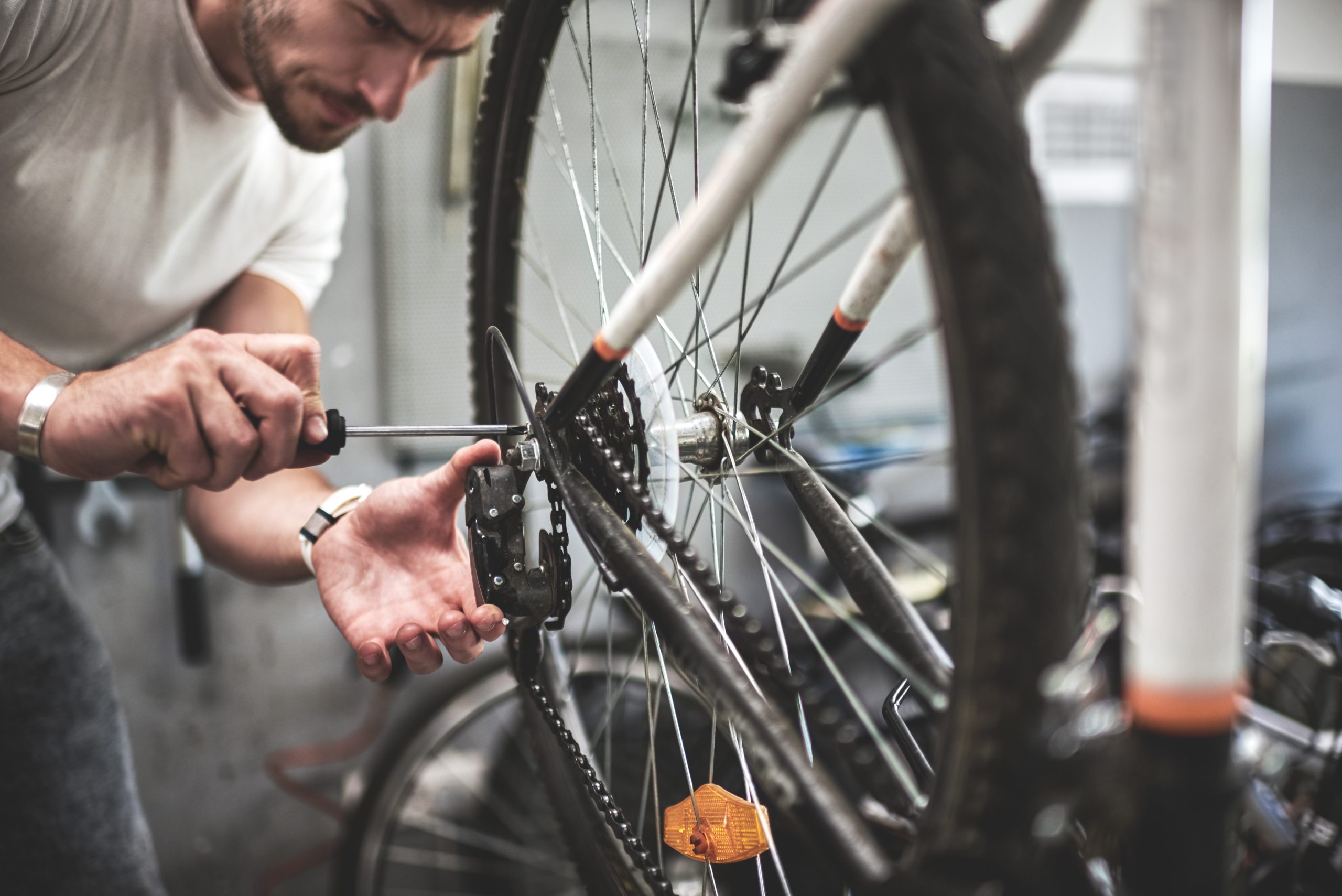
The way a product is used, maintained and stored, affects how long it serves its user. A product that is correctly selected, suitable for its intended purpose and well maintained can serve its user for a long time. That is why we provide product information that helps customers choose a product suitable for their needs and use, maintain and store it appropriately.

PRODUCT SAFETY
Products must be safe and compliant before they can be placed on the market. In our product selection and market placement processes, we assess the EU and national legal requirements applicable to the products. We monitor changes in all, and especially product-related legislation and maintain organisational competence through training, internal guidance and knowledge sharing.
PRODUCT PACKAGING
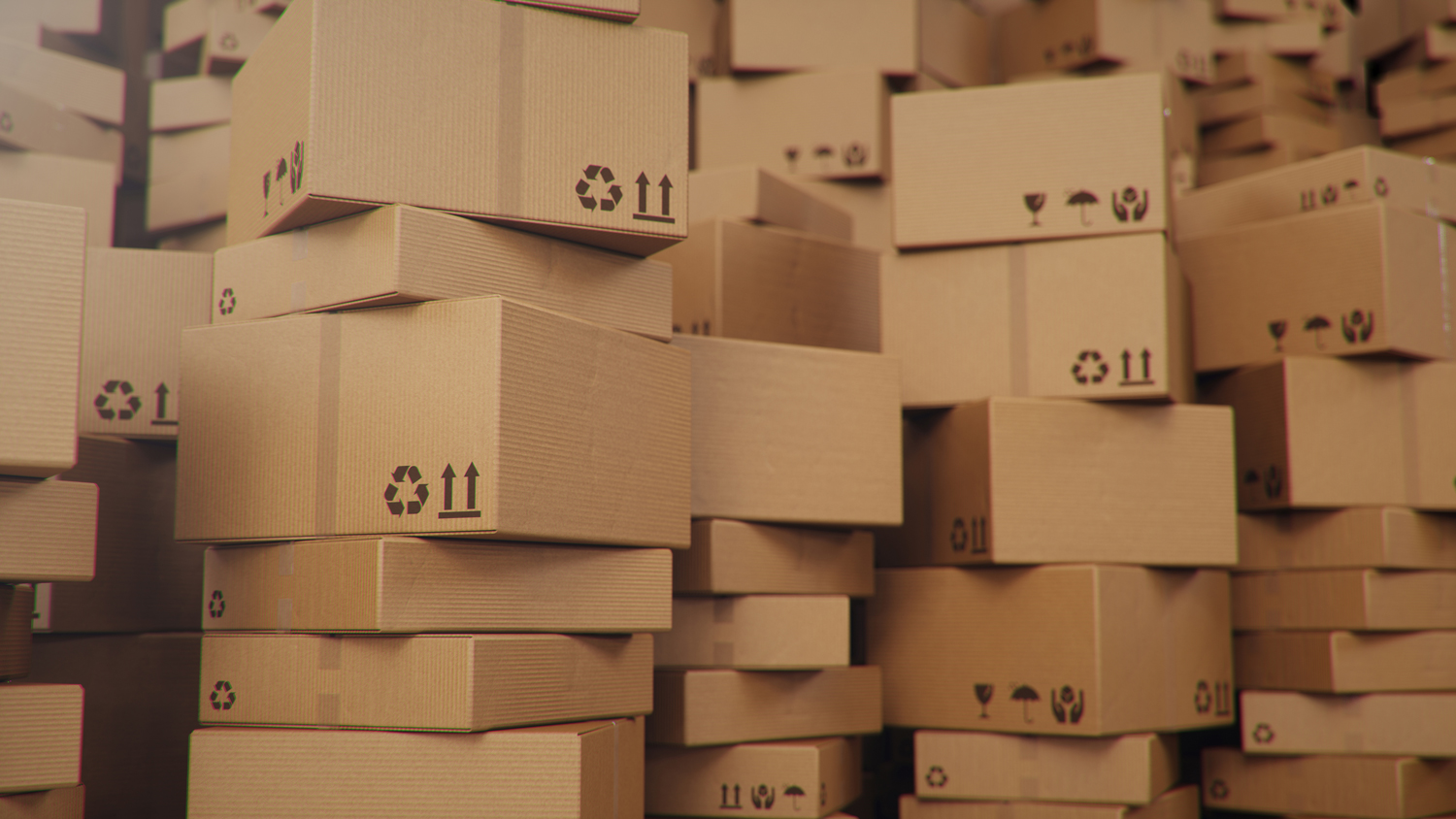
The primary purpose of packaging is to protect the product from damage during transport and handling. Consumer packaging also provides information about the product, its use, safety and packaging recycling, and supports appropriate purchasing decisions. We assess packaging solutions by product category and pay attention to the appropriate amount, quality and recyclability of the materials used in packaging. Where possible, we develop packaging solutions, for example by reducing the amount of material used, reviewing material choices and clarifying markings that support packaging recycling.
Packaging material information for recycling is provided on our packaging to support packaging recycling. We take into account the requirements of the EU Packaging and Packaging Waste Regulation, PPWR, in packaging development and supplier cooperation in line with the applicability and entry-into-force timelines of the PPWR requirements.
PRODUCER RESPONSIBILITIES
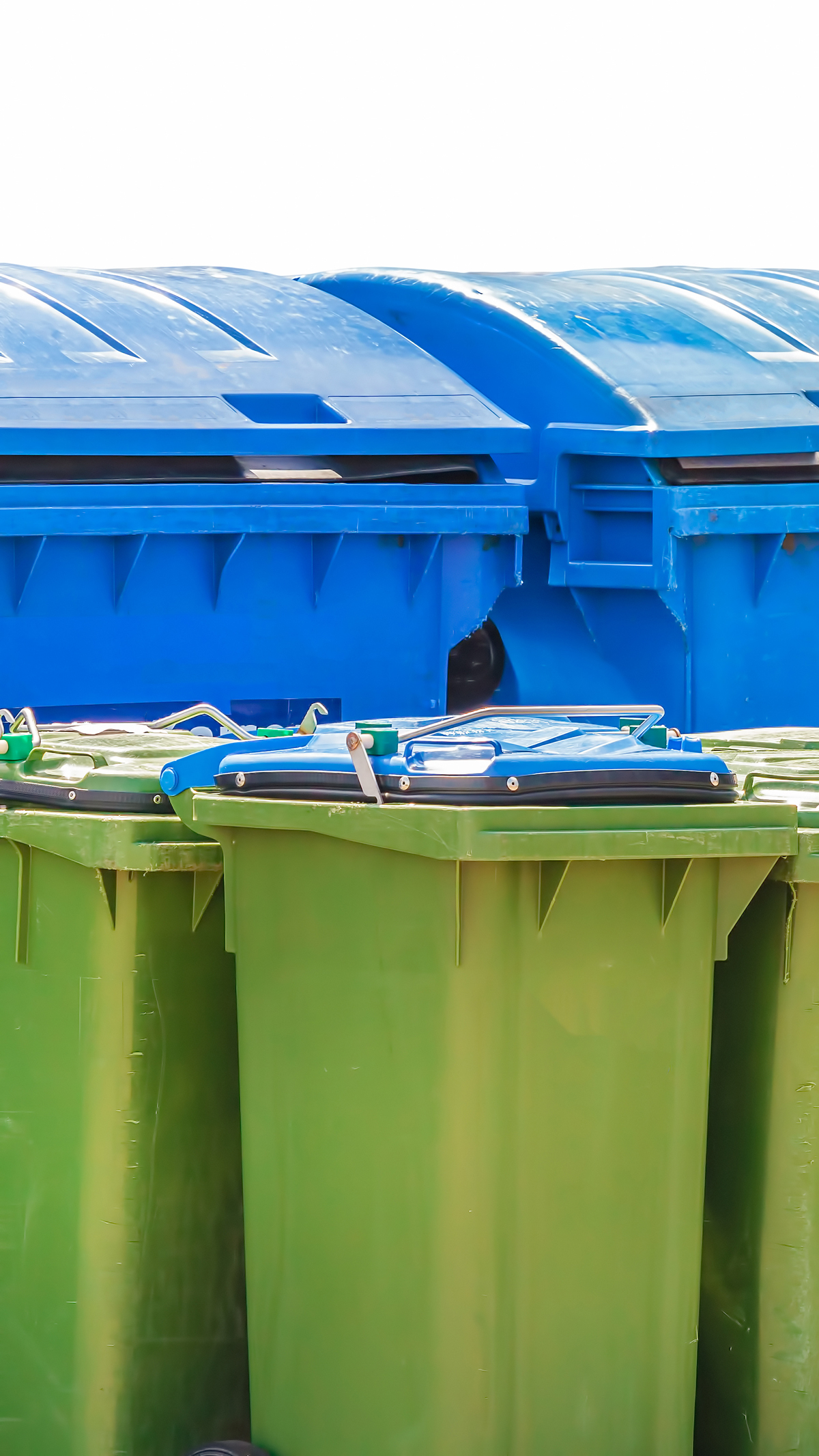
Producer responsibility (also known as extended producer responsibility, EPR) is a legal obligation under the Finnish Waste Act. It requires manufacturers, importers, distance sellers and packers of all packaging and certain products to arrange and finance the waste management of the packaging and products they place on the Finnish market once the products reach the end of their life.
In practice, producer responsibility makes recycling straightforward and accessible for consumers by ensuring that collection and recycling systems are in place in society.
Tammer Brands is producer responsible for packaging and products placed on the Finnish market. In other markets, producer responsibility rests with the local importer, which is Tammer Brands' export customer, in line with national EPR legislation. Direct sales to EU consumers would make Tammer Brands producer responsible under the applicable national rules.
In Finland, Tammer Brands implements its statutory producer responsibility obligations through joining producer responsibility organizations covering the relevant categories: waste electrical and electronic equipment (WEEE/SER), batteries and accumulators, paper, packaging and packaging waste, as well as SUP packaging and SUP products. In this way, the end‑of‑life waste management is organized within the circular economy system, allowing materials to be returned to circulation through the producer responsibility system. Information on our producer responsibility organization memberships is provided to our customers through the Tammer Brands General Terms and Conditions of Sale.
The Waste Management Compass service (select English) makes it easy to check whether a Finnish company has fulfilled its extended producer responsibility obligations required by law.